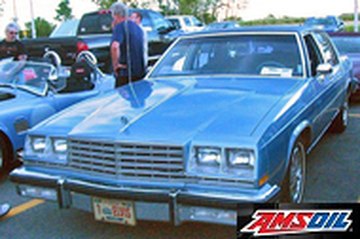
Lubrication Maintenance for the 1981 Buick LESABRE 3.8L
Maintaining a vehicle from the early 1980s requires a shift in perspective compared to modern automotive care. For an owner of a 1981 Buick LESABRE equipped with the 3.8L engine, routine service is not just about following a schedule, but about active monitoring and understanding how aging components interact with various fluids. Proper lubrication management is a cornerstone of preserving the mechanical integrity of this engine over time.
Monitoring Fluid Integrity and Condition
One of the most effective ways to assess the health of an engine is through regular observation of its lubricants. Rather than relying solely on mileage, an owner should periodically inspect the appearance and consistency of the engine oil. While a certain level of darkening is expected as oil undergoes thermal cycles and collects microscopic debris, extreme discoloration or a gritty texture can be a sign that the lubricant has reached the end of its effective service life.
When performing routine checks, look for any signs of unexpected changes in the fluid. For example, if the oil appears milky or has a cloudy consistency, this may indicate the presence of moisture or coolant contamination, which warrants immediate investigation. Similarly, an unusually strong odor coming from the crankcase might suggest that combustion byproducts are heavily contaminating the oil, potentially due to issues with the ventilation system or internal seals.
It is also useful to monitor how much lubricant the engine uses between service intervals. While all engines may consume a small amount of oil during normal operation, a noticeable increase in consumption can be associated with aging gaskets or seals. Keeping a log of fluid levels and any observed consumption helps establish a baseline that makes it easier to identify when a mechanical change has occurred.
Observing Potential Warning Signs
Identifying issues early can prevent more significant mechanical complications. For the 1981 Buick LESABRE, several visual and auditory cues should be treated as signals for further inspection. Visible seepage around the engine block or near various sealing surfaces is a primary indicator that gaskets may be losing their ability to contain fluids effectively. Even if a drip has not yet reached the ground, evidence of "wetness" or grime buildup around mating surfaces suggests that age-related seepage is occurring.
Beyond visual leaks, pay attention to how the engine behaves during operation. Unusual mechanical noises—such as rhythmic tapping or heavy knocking—can sometimes be linked to lubrication issues, though these sounds can also stem from various other mechanical sources. Because symptoms often have multiple potential causes, a change in noise should be investigated by a professional rather than being diagnosed based on sound alone.
If the vehicle's dashboard features any warning indicators related to oil levels or pressure, these must be addressed immediately. A sudden change in an indicator light is a critical signal that the lubrication system may not be performing as intended. Furthermore, if you notice unusual exhaust smoke, it could indicate that oil is entering the combustion process, which should be investigated to determine the source of the entry.
Prioritizing Long-Term Engine Care
As vehicles age, maintenance priorities often shift from simple part replacement to more comprehensive condition monitoring. For a 1981 Buick LESABRE, effective long-term ownership involves distinguishing between necessary repairs and preventive measures. Instead of replacing components based solely on the age of the vehicle, focus on the actual condition of the parts.
Reviewing available service records is an essential part of this process. Knowing when the oil was last changed, which filters were used, and what previous repairs were performed allows you to make informed decisions about future maintenance. If a complete service history is unavailable, your first priority should be establishing a new baseline by performing a thorough inspection of all fluids, belts (if equipped), and hoses (if present).
When managing an older engine, it is wise to address active leaks or significant changes in fluid condition before moving on to more cosmetic or secondary maintenance tasks. Addressing these primary lubrication concerns helps ensure that the core mechanical components remain protected. This methodical approach prevents "maintenance fatigue" and ensures that resources are directed toward the areas that most impact the vehicle's continued operation.
Inspecting Aging Components and Seals
The materials used in 1981, including various rubber-based seals and gaskets, are subject to the effects of time, heat, and chemical exposure. During routine service, it is beneficial to perform a visual inspection of accessible areas for signs of deterioration. This includes looking for cracks or glazing on any drive belts that may be present, as well as checking hoses for signs of softening, swelling, or brittleness.
Gaskets and seals are particularly important to monitor. While it is common for older engines to show some evidence of seepage, significant leaks can lead to fluid loss and potential engine damage. Inspecting the areas where major components meet can provide early warning of a seal that is nearing the end of its functional life. Additionally, checking electrical connections and wiring for signs of fraying or corrosion ensures that the engine's ignition and sensor systems remain reliable.
If you notice that the vehicle requires more frequent oil top-offs than it once did, this is a practical reason to inspect the integrity of the crankcase seals. Some high-mileage oil formulations contain additives intended for use in aging engines, including seal-conditioning additives that may help maintain the flexibility of certain components, but these should be used as part of a broader maintenance strategy rather than a substitute for addressing significant leaks.
Effective Maintenance Record Keeping
For any owner looking to maximize the longevity of their 1981 Buick LESABRE, documentation is a powerful tool. Maintaining a dedicated folder or digital log for all service activities provides several advantages. First, it creates a clear history of what has been done, which is invaluable if you ever decide to sell the vehicle or if you are working with a mechanic on complex repairs.
Second, detailed records allow you to track patterns. For example, if you record the exact date and mileage of every oil change alongside any observations about fluid color or consumption, you can mathematically identify when an engine's needs are changing. This data-driven approach moves maintenance from a reactive "fix it when it breaks" model to a proactive "monitor and manage" model.
A good record should include the date of service, the mileage, the specific products used (such as oil type and filter part numbers), and any notable observations made during inspections. Even small notes, such as "noticed slight seepage near the valve cover," can become vital pieces of information months later when a larger issue arises.
Practical Guidance for BUYING ENGINE OIL for your 1981 Buick LESABRE 3.8L
When it is time to replenish your engine's lubricant, the most important step is to ensure that the product you select matches the specific requirements of your engine. For this 1981 Buick LESABRE 3.8L, do not rely on general automotive knowledge or assumptions based on the vehicle's age to determine which oil to use. Instead, match the engine oil to the application-specific viscosity information already displayed on this webpage.
Before making a purchase, carefully check the product labeling to verify that the oil meets the appropriate API (American Petroleum Institute) service classifications. While modern oils are highly advanced, you should always prioritize the specific guidance provided in your vehicle's documentation or the application data listed here. Depending on your engine's current condition and your driving habits, you may choose between conventional, synthetic blend, or full synthetic formulations; however, the primary requirement is that the viscosity and quality align with the specifications for this 3.8L engine.
If your engine shows signs of significant age, such as minor seepage, you might consider looking at high-mileage oil formulations, which are designed with specific additive packages. Regardless of the formulation you choose, always verify that the container's specifications match the requirements for your exact year and model to ensure optimal protection and performance.